SmartLife: Smart Living
- 4.6
- Rating
- 50.00M
- Installs
- Free
- Price

 Analysis by App-foxy
I noticed the difference with SmartLife during an ordinary evening, not while testing it under perfect conditions. I wanted to check a connected device, moved between rooms, and watched how much the experience depended on the phone, the home network, and the device responding at the right moment. That is the real character of this lifestyle app from Volcano Technology Limited: it is less about browsing content and more about keeping smart-home actions in one mobile control point.
SmartLife is free to install and is aimed at Everyone, so it is approachable for households where several people may need to use the same setup. Its store summary is “Smart Living,” while the short description simply says “SmartLife.” Those phrases are brief, but they match the practical idea here: the app becomes useful when it reduces the number of separate controls you need to reach for around the home.
How SmartLife feels when the network is part of every action
The first thing I would tell a friend is that this is a connected-home controller, not a self-contained utility. When I opened it to interact with a smart device, the quality of the experience depended on communication between the phone, the app, the home network, and the device itself. A quick command feels satisfying when everything is ready. A delayed response, however, can make a simple action feel uncertain because you are not always sure whether the command failed or is still travelling.
You May Also Like

 AccuWeather: Weather Radar
AccuWeather Review: A Quick, Clear Forecast for Everyday Decisions
For everyday plans, the best forecast is the one you can understand quickly. AccuWeather makes rain timing, radar, and local conditions easy to act on, with a few trade-offs.

 Hill Climb Racing
Why Hill Climb Racing Still Turns Crashes Into One More Run
A tiny car, a bumpy hill and one more upgrade: Hill Climb Racing keeps resurfacing because its simple chaos makes every near-miss feel personal.

 AliExpress - Shopping App
AliExpress Makes Global Shopping Feel Personal, but Shoppers Bear the Risk
AliExpress turns a global marketplace into a pocket-sized discovery engine. Its reach is useful, its shopping loop compelling, and its trade-offs easy to miss.

 Lords Mobile: Kingdom Wars
Lords Mobile Is a Kingdom-Building Routine, Not a Quick Match
A case-by-case verdict on the building, battles, device demands, and social commitments that make Lords Mobile rewarding for some players and exhausting for others.

 PDF Scanner app - TapScanner
TapScanner Makes Paperwork Easier to Capture, Check, and Share
TapScanner makes scanning with a phone feel less like a rescue operation and more like a dependable step in getting work done. Its capture tools are useful, though not flawless.

 Block Blast!
 Shows How Much a Puzzle Game Can Leave Out
A quiet grid game shows why puzzle players increasingly value instant clarity, repeatable skill and low-pressure play—and where the genre still needs to catch up.
More From Our News Desk
View All News


That network dependence changes how I judge the app. With a normal timer or notes application, a slow connection may not matter much. With SmartLife, connectivity is part of the task. A user may be checking a device before leaving home, changing a setting from another room, or trying to confirm that a previous action took effect. The app is at its best when the network is stable and the device has already been configured properly.
I found it helpful to pause briefly after sending an important command instead of tapping repeatedly. Repeated taps are an easy way to create confusion: the first request may still be processing when the second one is sent. For lights, plugs, or other connected equipment, I prefer to make one change, wait for the visual response, and then move on. That small habit makes the interface feel more predictable.
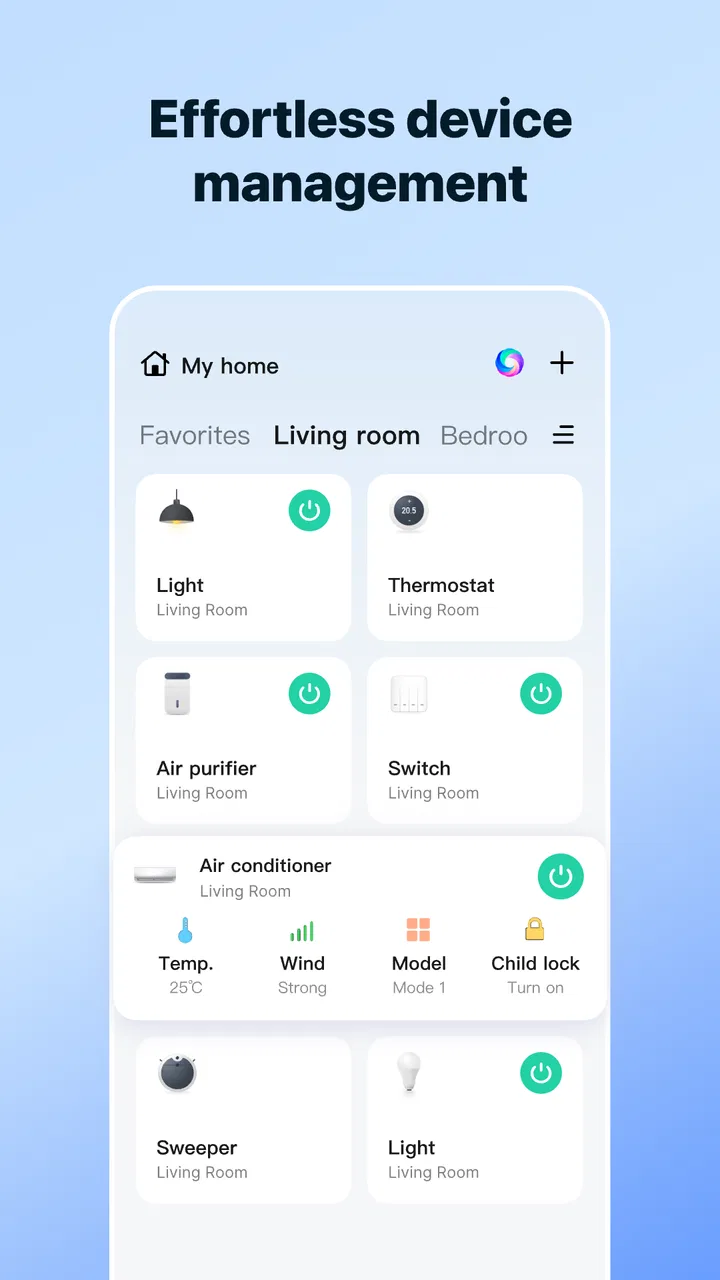
SmartLife works best when I treat it as a central dashboard rather than a place to explore aimlessly. The value grows as the number of compatible connected items grows, because the app can give a household one familiar starting point. If you only have one basic device and its manufacturer already provides an excellent controller, installing another app may not simplify anything. The broader appeal is for people who want a common mobile route into several parts of their smart-home routine.
Everyday mobile situations where it earns its place
The phone-first design makes sense in situations where I am already carrying the device. Imagine arriving home with shopping bags and wanting to prepare the room before settling in. Opening one control app is more convenient than searching for a dedicated remote, remembering which manufacturer’s application handles which device, or walking around checking each item manually. The benefit is not dramatic in a single moment; it comes from removing small interruptions throughout the day.
Another useful situation is checking a connected setup while moving through the house. I might start an action in one room, carry the phone elsewhere, and return to the app when I need to make a second adjustment. That mobility is more practical than a fixed control panel, especially in homes where routines change from morning to evening. The trade-off is that the phone becomes part of the chain. If it is unavailable, busy, or struggling with the network, the smart-home experience feels less immediate.
I also see value for people who are gradually adding connected products rather than buying an entire system at once. A single app can make expansion easier to understand because the user does not need to learn a completely different starting point every time. Still, compatibility remains the deciding factor. I would check whether the particular devices I own are supported before reorganizing my home around the app. A polished interface cannot compensate for a device that does not fit the setup.
For a shared household, the important question is not only “Can I control this?” but also “Can everyone use it without confusion?” SmartLife is more appealing when family members have different phones and need a recognizable place to begin. I would spend time setting up clear device names and avoiding vague labels. Calling something “Lamp” may be fine in a small room; in a larger home, names that identify location or purpose are much easier to use from a phone.
What happens when a command fails or takes too long
Connected-home apps are judged most honestly during small failures. When a command does not appear to work, I do not immediately assume the device is broken. I first check whether the phone is connected normally, whether the app has finished loading the device state, and whether the device itself is powered. This simple sequence prevents a lot of unnecessary troubleshooting.
My preferred recovery method is deliberately boring: wait, inspect the current state, and then try one action again. If the app shows an old state, I avoid making several changes at once. I also check whether another person in the household has just used the same device. Two people controlling one item can create results that look like a network problem even when both commands were accepted.
This is where SmartLife has a limitation that is easy to overlook in a store description. A connected action does not always provide the same reassurance as pressing a physical switch and seeing the result immediately. The phone may show a transition, a delayed state, or a result that needs another moment to become clear. For anything safety-sensitive, I would verify the physical situation rather than trusting a screen alone.
Recovery is easier when the initial setup is tidy. I recommend giving devices distinct names, removing old or duplicated entries when appropriate, and learning which screen represents the current state rather than merely the last command. These are not glamorous features, but they make the difference between a calm household routine and a confusing list of similarly named controls.
I would also avoid treating SmartLife as a replacement for every physical control. A wall switch, manual button, or manufacturer-specific controller may be the better fallback when the phone cannot connect. The app is useful as a convenient layer over a connected home, but convenience should not become the only way to operate something that needs to remain usable during a network interruption.
Using a connected controller without wasting mobile data
Because the app communicates with connected equipment, I prefer using it thoughtfully when I am away from a reliable home connection. I do not keep reopening the same screen just to watch whether a device has changed. Instead, I make the necessary adjustment, give it time to register, and close the app once the result is clear. That approach is kinder to the phone’s battery and avoids unnecessary repeated traffic.
At home, a stable wireless connection is the natural environment for this kind of app. I would reserve cellular use for genuinely useful remote checks or changes, rather than casually refreshing device states throughout the day. This matters particularly for users with limited mobile data or older phones, where repeated loading can feel more noticeable.
There is also a privacy-minded habit I recommend: keep the device list organized and remove anything you no longer use. A shorter list is easier to review, easier to share with household members, and less likely to cause accidental interaction with an old device. I would not add equipment merely to test the interface. Smart-home apps become more valuable when their control surface reflects the real home instead of a cluttered history of experiments.
Notifications and background activity deserve the same common-sense approach. I would keep alerts that help me notice meaningful changes, but avoid turning every minor event into an interruption. The right balance depends on the household: someone monitoring a rarely used device may appreciate more visibility, while another person may prefer opening the app only when needed. SmartLife is more pleasant when it supports a routine instead of demanding constant attention.
What the app does well, and where another option may win
The strongest reason to choose SmartLife is consolidation. Instead of treating each connected product as an isolated island, I can use one lifestyle-oriented app as the starting point for the home. That is especially useful for people who are building a mixed collection of smart devices and want a single habit on the phone. The app’s appeal is practical rather than flashy: fewer places to remember and a more consistent way to approach everyday controls.
The main alternative is often the dedicated app supplied for a particular device. A manufacturer’s own controller may offer deeper device-specific settings, clearer diagnostics, or a more direct relationship with that product. If I own only one brand and care about every specialized option, I would compare both before deciding. SmartLife makes more sense when a shared control experience matters more than having the most detailed interface for one item.
Another alternative is voice control or a platform already built into the phone or home ecosystem. Voice commands can be faster when my hands are occupied, while a platform dashboard may fit better if the rest of my home already revolves around it. I would choose SmartLife when I want a visual mobile control point and when the relevant devices fit its ecosystem. I would choose something else if voice access, local control, or advanced platform automation is the central requirement.
The app is also not ideal for someone who dislikes troubleshooting connected equipment. Even a well-designed controller cannot remove every dependency between hardware, network access, accounts, and device configuration. Users who expect a physical-switch level of certainty from every tap may find the occasional delay frustrating. In my view, SmartLife rewards patient setup and clear device organization more than impulsive experimentation.
Version, availability, and who should try it
The current version is 7.3.0, and it runs on Android 7.0 or later. That makes the compatibility requirement worth checking before installation, especially if the phone is older. The app belongs to the Lifestyle category and has been available since May 26, 2016, giving it a long presence compared with a newly launched controller.
Its scale is also notable: SmartLife has passed ten million installs, with an average rating of 4.6 from around 1.3 million ratings and roughly eighteen thousand written reviews. Those figures do not guarantee that every device or household will behave identically, but they do suggest that the app is being used well beyond a small enthusiast niche.
The download is free, while in-app purchases range from $0.05 to $259.99 per item. I would pay attention to any purchase prompt during setup and avoid assuming that every connected-home function follows the same pricing model. For a basic user, the important decision is whether the app supports the devices already in the home; the presence of optional purchases makes it sensible to review each screen carefully rather than tapping through automatically.
I would recommend trying SmartLife to someone who owns several compatible smart-home products, wants a phone-based control center, and is comfortable with the fact that network conditions affect the experience. It is also a reasonable starting point for a household that wants to grow its connected setup gradually. I would steer a person toward a dedicated controller or another ecosystem if they have one device, need highly specialized settings, or want the strongest possible fallback when connectivity is unavailable.
My connectivity verdict
After using SmartLife as a daily control layer, I see its success as closely tied to preparation. Good naming, a sensible device list, a stable home connection, and restrained use of repeated refreshes make it feel much more dependable. Poor setup turns the same app into a maze of uncertain states. The software can organize the experience, but it cannot make incompatible hardware cooperate or remove every delay between a tap and a physical result.
That balance is why I would recommend it with a clear condition: choose it for convenience across compatible devices, not because you expect it to replace every other control method. Its mobile format is genuinely useful when I am moving around the home or managing a routine from a distance, and its free entry point makes testing practical. At the same time, I would keep a manual fallback and verify important actions in person.
For me, SmartLife succeeds when it stays in the background. I open it, make a clear change, confirm the result, and get on with the day. It is less convincing when I expect instant certainty from a network-dependent command or a universal solution for every brand. If that trade-off matches your home, Volcano Technology Limited’s app is a useful, mature-feeling addition to a connected lifestyle. If your priority is offline reliability or deep control of one manufacturer’s hardware, the usual dedicated alternative may suit you better.
FAQs for SmartLife: Smart Living
01What is SmartLife - Smart Living and how does it work?
SmartLife - Smart Living is an innovative app designed to streamline your everyday activities by connecting and managing various smart devices within your home. It operates through an easy-to-use interface that lets you control lighting, security systems, thermostats, and more, all from your smartphone. The app synchronizes with compatible devices via Wi-Fi or Bluetooth, providing seamless integration and automation options to enhance your lifestyle.
02What devices are compatible with SmartLife - Smart Living?
SmartLife - Smart Living is compatible with a wide range of smart home devices from various manufacturers. This includes smart lights, plugs, thermostats, cameras, and more. Before downloading, check the app’s compatibility list on the official website or app store to ensure your current or planned devices can be integrated smoothly into the SmartLife ecosystem.
03Is SmartLife - Smart Living secure to use with my home devices?
Yes, SmartLife - Smart Living prioritizes user security and privacy. The app employs encryption protocols to protect data transmission between your devices and the app. Regular updates are provided to address any security vulnerabilities. Users are encouraged to keep the app and connected devices updated to the latest versions for optimal security.
04Does SmartLife - Smart Living require a subscription or is it free to use?
SmartLife - Smart Living is free to download and use for basic functionalities. However, there may be premium features or additional services that require a subscription or one-time payment. These could include advanced automation, cloud storage for security footage, or integration with third-party services. Review the app’s pricing details before downloading to understand any potential costs.
05Can I control SmartLife - Smart Living remotely when I'm not at home?
Yes, SmartLife - Smart Living offers remote access capabilities. As long as your mobile device is connected to the internet, you can control your smart devices from anywhere in the world. This feature allows you to monitor and adjust your home settings, such as lighting and security, providing added convenience and peace of mind when you’re away from home.
Pros
- User-friendly interface for easy navigation.
- Seamless integration with smart home devices.
- Customizable alerts and notifications.
- Energy-saving recommendations included.
- Supports voice control with major assistants.
Cons
- Limited device compatibility options.
- Occasional connectivity issues reported.
- In-app purchases for premium features.
- No offline access to device controls.
- Privacy concerns with data sharing policies.

SmartLife: Smart Living
Gallery